8 Benefits of Coloring for Kids (and How to Make Coloring Time Count)
Coloring builds fine motor skills, focus and confidence. Here are 8 benefits of coloring for kids, what to expect by age, and tips parents can use today.
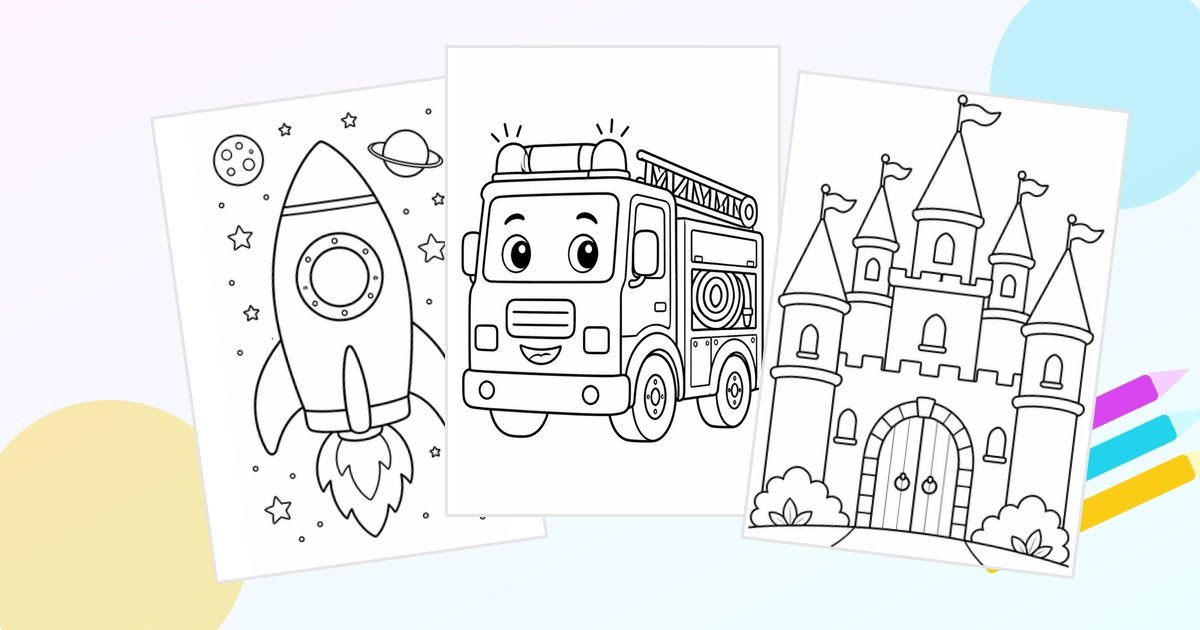
There’s a reason a stack of coloring pages and a box of crayons can buy you twenty quiet minutes on a rainy afternoon. Kids genuinely love it. But coloring is doing a lot more than keeping little hands busy.
Every time your child picks a crayon, holds it, aims for a shape and decides that the fire truck should obviously be purple, they’re practicing skills they’ll lean on for years — from buttoning a coat to writing their name.
Below are the eight biggest benefits of coloring for kids, what to expect at each age, and a few simple ways to get more out of coloring time without turning it into homework.
8 benefits of coloring for kids
1. It strengthens fine motor skills
Fine motor skills are the small, precise movements of the fingers and hands. Kids use them to zip a backpack, open a snack, use scissors and, eventually, write.
Coloring is one of the easiest ways to exercise those small muscles. Gripping a crayon, pressing hard enough to leave color and moving it in small controlled strokes is a real workout for little hands — one most kids happily repeat page after page.
2. It builds a better pencil grip
Most toddlers start by holding a crayon in their whole fist. Over the next few years, with lots of practice, that grip gradually shifts toward the “tripod” grip — thumb, index and middle finger — that makes writing comfortable.
Coloring gives kids hundreds of low-stakes reps to get there. You don’t need to correct their grip constantly; just offer short, chunky crayons (broken crayons are great!) that naturally encourage fingertips instead of a fist.
3. It prepares hands and eyes for handwriting
Writing letters requires the eyes and hands to work as a team. When a child tries to color the wheel of a tractor without spilling onto the road, they’re practicing exactly that: seeing a boundary, planning a movement and adjusting as they go.
That hand-eye coordination — plus the control to start, stop and change direction — is a big part of what makes early handwriting easier.
4. It grows focus and patience
Finishing a whole coloring page is a small project with a clear end. For a young child, sticking with it for ten minutes is a genuine accomplishment.
Pages with one big, clear picture are easier to finish than busy scenes full of tiny details, so they’re a great way to build focus without frustration. Over time, kids naturally work up to longer sessions and more complex pages.
5. It helps kids slow down and calm down
Coloring is repetitive, quiet and has no wrong answers, which makes it a natural wind-down activity. Many parents use it after school, before bed or after a big emotional moment, when kids need something calming to do with their hands.
It’s not a replacement for support when a child is struggling, but as a daily “quiet time” ritual, it’s hard to beat — and it’s completely screen-free.
6. It teaches colors, shapes and new words
Coloring is a built-in conversation starter. Ask questions while your child colors:
- “What color are you choosing for the rocket?”
- “Can you find the circle windows on the submarine?”
- “What do you think lives inside the castle?”
Those little chats build color and shape recognition, vocabulary and storytelling skills — all while your child thinks they’re just having fun.
7. It encourages creativity and decision-making
A pink volcano? A rainbow excavator? Perfect. Coloring gives kids hundreds of tiny decisions with zero risk: which color, which part first, whether the sky needs stars.
Letting kids make those choices on their own builds independence and creative confidence. Resist the urge to suggest “real” colors unless they ask.
8. It builds confidence and pride
There’s nothing quite like a child holding up a finished page and announcing, “I did it!” Completing something from start to finish — and seeing it taped to the fridge — is a simple, powerful confidence boost.
That’s another reason to choose pages your child can actually finish. Success is motivating.
What to expect at each age
Every child develops at their own pace, so treat this as a loose guide rather than a checklist.
| Age | What coloring usually looks like | Best pages and tools |
|---|---|---|
| 1–2 years | Big scribbles, whole-arm movements, fist grip | Large paper, chunky crayons, no outlines needed |
| 2–3 years | Scribbles start to “aim” at shapes; color names begin | One big, simple picture with thick outlines |
| 3–4 years | More control; many kids can copy a circle when shown how | Bold pages with friendly characters and few details |
| 4–6 years | Staying mostly inside the lines; choosing colors on purpose | Medium detail, favorite themes, crayons and markers |
| 6–8 years | Neat, careful coloring; adding backgrounds and patterns | More detailed scenes, colored pencils, fine-tip markers |
If you have any concerns about your child’s motor development, your pediatrician is always the best person to ask.
How to choose coloring pages kids will actually finish
Not all coloring pages are created equal. For kids under eight, look for:
- Thick, bold outlines. They’re easier to see and easier to stay inside, which means less frustration.
- One main subject per page. A big fire truck or a single castle beats a crowded scene with fifty tiny objects.
- Themes they love. Vehicles, animals, space, princesses, dinosaurs — interest is the best motivator.
- Friendly faces. Smiling characters (yes, even smiling volcanoes) make pages feel inviting for younger kids.
- Some variety. A mix of simple and slightly more detailed pages lets kids pick based on their mood and energy.
7 ways to make coloring time count
- Color with them. Kids copy what they see. Grab your own page and color alongside them.
- Talk, don’t teach. Ask open-ended questions instead of correcting colors or lines.
- Keep sessions short. Stop while it’s still fun. You can always come back to the page later.
- Switch up the tools. Crayons, washable markers, colored pencils, even dot markers each work the hands differently.
- Turn pages into stories. “Where is the pirate ship going?” Coloring plus storytelling is a language-building double win.
- Try different surfaces. Coloring on a clipboard or taped to a wall (a vertical surface) is great for shoulder and wrist strength.
- Show off the art. A “gallery wall” on the fridge or a simple binder of finished pages gives kids something to be proud of.
The best coloring supplies by age
- Toddlers (1–3): Jumbo or egg-shaped crayons, washable everything, thicker paper taped to the table.
- Preschoolers (3–5): Regular or triangular crayons, washable markers, short colored pencils.
- School-age kids (5–8): Colored pencils, fine-tip markers, gel crayons and, for older kids, watercolor pencils.
Printing tip: Regular printer paper is fine for crayons and colored pencils. If your kids love markers, try a heavier paper (24 lb or 32 lb) so colors don’t bleed through to the table.
Ready-to-print coloring pages for busy days
If you want a stack of pages ready to go, our 20 Printable Coloring Pages for Kids bundle was designed with everything above in mind: thick outlines, one big picture per page, and themes kids love — fire trucks, excavators, rockets, pirate ships, castles, volcanoes and more.
It’s an instant PDF download, so you can print a page whenever boredom strikes (and print your child’s favorite again and again). You can also browse more kids’ printables in the shop.
The bottom line
Coloring is one of the simplest, cheapest and most effective activities you can offer a young child. It strengthens little hands, builds focus and confidence, and gives you a peaceful, screen-free moment in the middle of a busy day.
So keep the crayons within reach, let them color the sky green if they want to, and hang that masterpiece on the fridge. It’s doing more good than it looks.
Frequently asked questions
At what age should kids start coloring?
Most children can start scribbling with a chunky crayon somewhere between 12 and 18 months. Simple coloring pages with big shapes usually click around age 2 to 3. There's no rush — early scribbling is already building the same hand muscles.
Is coloring good for a child's brain development?
Coloring exercises several skills at once: hand control, hand-eye coordination, attention, color recognition and decision-making. It isn't a magic brain booster, but it's an easy, low-pressure way to practice skills kids need for writing and school.
Should I make my child color inside the lines?
No. Staying inside the lines comes naturally as hand control improves, usually around ages 4 to 6. Pushing it too early can take the fun out of coloring. Praise effort and color choices instead, and let neatness develop on its own.
How long should a young child color at one time?
Follow your child's lead. Toddlers may color for 3 to 5 minutes; preschoolers often last 10 to 20 minutes on a page they like. Short, happy sessions are better than long ones that end in frustration.
Are crayons or markers better for toddlers?
Chunky crayons are usually best to start. They're easy to grip, hard to break and make kids press a little, which builds hand strength. Washable markers are a fun extra, but they dry out when caps go missing and can bleed through thin paper.